
 See Our Latest Article on HelloNation

How Can Daily Habits Impact Spinal Wellbeing?
Simple activities throughout the day play a large role in how your spine feels and functions. The spine supports your body’s structure, enables movement, and protects nerves that connect to every part of the body. Area residents often face routine stresses—from snow shoveling in winter to gardening and lawn care in warmer months—that can influence spinal comfort or even lead to aches.
Small adjustments in posture, movement, and routines commonly practiced in Le Ray homes and workplaces can reduce unnecessary stress on the back and bolster long-term spinal health.
What Postures Are Most Supportive for Spinal Comfort?
Good posture means keeping the spine in a neutral, natural position where its three curves (cervical, thoracic, lumbar) align without excess strain. Whether sitting at a desk, cooking in the kitchen, or relaxing at home, correct posture can help minimize everyday tension.
- When sitting, keep feet flat on the floor and use a chair that supports the lower back.
- Avoid slouching or leaning forward—especially when using computers or mobile devices.
- For those who spend hours driving on rural highways or city roads, adjust the seat so knees are level with hips and elbows rest comfortably at the sides.
Standing tasks, such as working at a bench or snow shoveling, also require attention to posture:
- Stand with weight evenly distributed on both feet.
- Keep the chest open and shoulders relaxed, not rounded.
- For repetitive chores (loading firewood, laundry folding) switch sides or positions often.
How Does Local Weather and Activity Affect the Spine?
Le Ray, NY residents experience winter snow and cold, plus plenty of outdoor activity between spring and fall. These seasonal changes impact spinal health in unique ways.
Cold temperatures can stiffen muscles and make injuries more likely. Before shoveling, walking on ice, or engaging in outdoor work:
- Stretch or warm up to get blood flowing to the back and legs.
- Use layers to keep muscles warm, and change out of wet clothes soon after coming inside.
During gardening, raking, and yard work:
- Alternate between tasks that use different muscle groups.
- Use proper lifting technique—bend at the knees, not the waist, and keep items close to your body.
- Take regular breaks to avoid overuse and allow the spine to recover.
What Sleeping Positions Support a Healthy Back?
Rest is crucial for spinal recovery. The position in which you sleep and the support of your bedding can influence how your spine feels upon waking.
- Side-sleepers can place a pillow between the knees to align the hips and reduce pressure on the lower back.
- Back-sleepers benefit from a small pillow under the knees to maintain balanced lumbar curve.
- Stomach-sleeping is generally tougher on the spine, but for those who prefer it, a flat pillow under the pelvis can help.
A supportive mattress—not too soft or too hard—and pillow suited to your sleeping position can help prevent morning stiffness, which some Le Ray residents may notice in colder months.
Which Movements and Exercises Are Most Beneficial for the Spine?
Regular, moderate activity keeps the back flexible and strong. Walking, which many residents enjoy on local trails or in neighborhoods, is particularly beneficial for spinal mobility.
Consider adding these simple routines:
- Short daily walks, even in winter with proper footwear
- Gentle stretching of neck, shoulders, and back muscles
- Core strengthening exercises (like bridges, gentle planks, or pelvic tilts)
- Light weight training or resistance activities using household items for those who prefer home exercise
Swimming is an excellent low-impact option for those with joint pain. Always increase activity gradually and avoid sudden, jerking movements that strain the back.
How Should You Lift and Carry Household Items?
Frequent tasks like carrying groceries, moving firewood, or rearranging furniture can challenge the spine if done incorrectly.
- Assess the weight of an object before lifting.
- Hold items close to your center of gravity.
- Bend at the hips and knees, not at the waist.
- Avoid twisting while lifting or carrying; instead, turn your whole body step by step.
- For heavier loads, split bag contents or make extra trips rather than carrying too much at once.
Children and teens should especially be mindful of backpack weight, as overloaded bags can lead to postural problems.
What Common Mistakes Lead to Back Pain Locally?
Underestimating repetitive stress or poor habits can result in discomfort over time. A few pitfalls seen among local residents include:
- Ignoring early signs of muscle fatigue, especially after seasonal chores
- Overlooking the need for posture breaks, stretching, and hydration during long outdoor work sessions
- Wearing unsupportive shoes, particularly for those spending time on uneven rural terrain or icy sidewalks
- Overusing heating pads or self-medicating for persistent pain without understanding root causes
When Should Residents Seek Further Help for Spinal Issues?
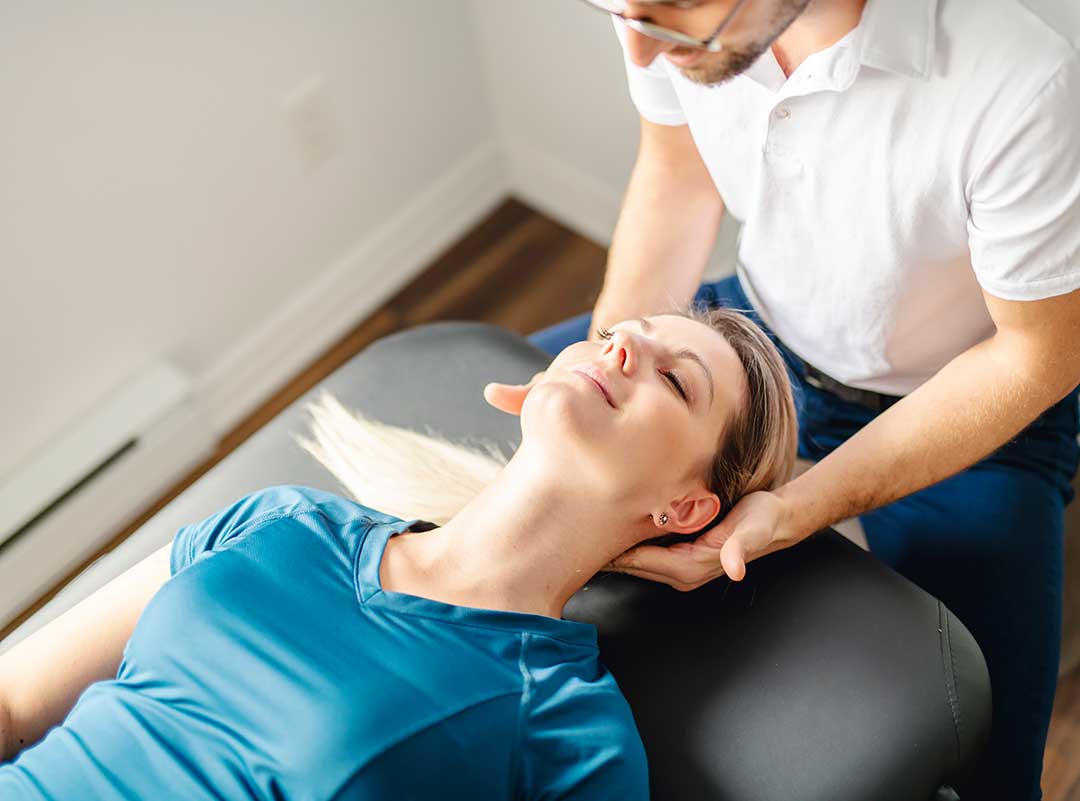
While many aches improve with rest, movement changes, and at-home comfort measures, there are times when self-care isn’t enough. Pain that spreads to the legs or arms, numbness, weakness, or discomfort lasting more than several weeks warrants a professional assessment—especially if it interferes with daily activity, sleep, or work.
Locally, residents have the benefit of both healthcare offices and access to regional resources, but knowing when to move beyond at-home care is a key aspect of maintaining spinal health and preventing more serious issues.
