
 See Our Latest Article on HelloNation
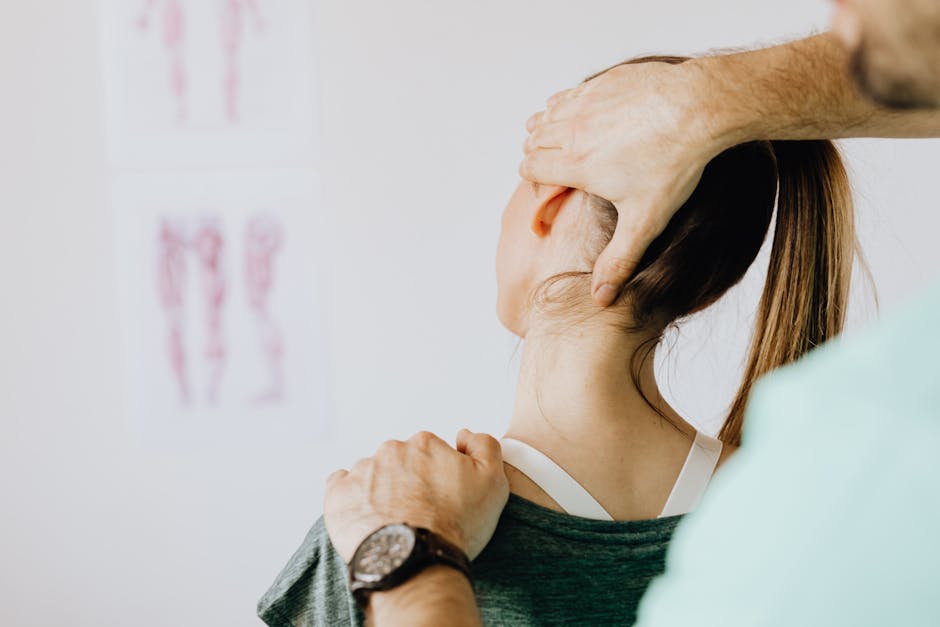
Understanding the Link Between Stress and Back Pain
Back pain is a common concern that affects millions of Americans, including many right here in Le Ray, NY. While most people associate back pain with physical injuries or poor posture, there’s another underlying factor that often gets overlooked: stress. In our tight-knit community—with the unique demands of rural living, busy family schedules, and seasonal work—chronic stress can quietly contribute to persistent back issues.
How Does Stress Affect Your Back?
At its core, stress is a natural response to life’s challenges. However, when stress becomes chronic, it triggers a series of physical reactions in the body. These include:
- Muscle tension, especially in the neck, shoulders, and back
- Increased production of stress hormones like cortisol
- Reduced blood flow to certain muscles
- Poor posture due to tight or fatigued muscles
When these reactions persist, they set the stage for ongoing discomfort and pain in your back. In Le Ray, where people juggle responsibilities from farming and military service at Fort Drum to school runs and local employment, these stress-related responses are all too common.
The Science Behind Stress and Muscle Tension
When you feel anxious or overwhelmed, your body’s “fight or flight” response kicks in. This short-term reaction is helpful in emergencies but isn’t meant to last for weeks or months. Persistent stress leads to:
- Tightened muscles: Chronic tension in the back and shoulders can turn into muscle knots, inflammation, and eventually, pain.
- Reduced flexibility: Stress-induced stiffness limits natural movement, making injury or strain more likely during daily activities like shoveling snow in winter or working in the garden.
- Pain amplification: The brain processes pain more intensely when under stress, making mild discomfort feel much worse.
Lifestyle Factors in Le Ray That Influence Stress and Back Pain
The local lifestyle in Le Ray, NY, adds its own unique twist to this problem:
1. Seasonal Demands
- Winter snow removal: Shoveling heavy snow can quickly lead to muscle strain, especially if stress already makes muscles tighter and less resilient.
- Spring and fall yardwork: Repetitive motions like raking, lifting, or bending—combined with tension from a stressful day—can aggravate latent back pain.
- Military families: The pressures of deployments and relocations can significantly impact stress levels, affecting the physical well-being of soldiers and their families.
2. Long Commutes
Many Le Ray residents commute to nearby Watertown or Fort Drum. Prolonged sitting, especially in stressful traffic or during icy weather, causes posture problems, compounding the effects of stress on the back.
3. Limited Access to Recreation
While Le Ray offers plenty of natural beauty, the cold months make it harder to get outside and exercise—an essential way to relieve both stress and tension. Being cooped up indoors can increase stress levels, leading to more significant back discomfort.
Signs Your Back Pain May Be Stress-Related
Back pain caused by stress often presents a bit differently than pain from an acute injury, such as:
- Aching or soreness that moves around the back or shoulders
- Pain flaring up during periods of high anxiety or after stressful events
- Feeling stiff or “locked up” upon waking or after long periods of inactivity
- Headaches, jaw pain, or digestive issues alongside back discomfort
Recognizing these patterns is the first step in breaking the stress-pain cycle.
Tips for Managing Stress and Preventing Back Pain in Le Ray
Knowing how to manage stress can help reduce or prevent stress-related back pain. Here are some practical tips tailored to life in Le Ray:
1. Stay Active Year-Round
Even when outdoor options are limited by weather, make movement a priority:
- Try indoor activities like yoga, stretching, or using home exercise equipment.
- Take frequent breaks to walk around if you work from home or have a sedentary job.
- If possible, join a local gym or recreational league to stay social and active during the winter months.
2. Prioritize Mental Health
Managing your mental well-being is just as important as physical self-care:
- Practice relaxation techniques like deep breathing, meditation, or progressive muscle relaxation.
- Maintain strong community connections—reach out to friends and neighbors during tough times.
- Don’t hesitate to speak with a counselor or mental health professional, especially when feeling overwhelmed.
3. Optimize Your Workspace
If you spend long hours sitting, whether at home, in the office, or during commutes:
- Adjust your chair and desk to promote good posture and back support.
- Use a lumbar roll or small pillow behind your lower back.
- Stand up and stretch for a couple of minutes every hour.
4. Address Pain Early
If you notice signs of back pain creeping in:
- Don’t ignore small aches—gentle stretching and heat packs can help loosen tight muscles.
- Stay hydrated and eat a balanced diet to aid muscle health.
- Schedule regular check-ups with your healthcare provider or local chiropractor—a proactive approach may prevent minor pain from becoming a chronic challenge.
When to Seek Professional Help
If your back pain persists for more than a few weeks or significantly interferes with daily life, it’s time to seek professional guidance. Chiropractors, physical therapists, and primary care doctors in Le Ray and the surrounding areas can provide tailored treatment plans to address both the physical and emotional causes of back pain.
Final Thoughts
Back pain and stress share a complex relationship that is often overlooked but highly relevant in daily life—especially for residents of Le Ray, NY. By understanding the ways stress impacts your body, staying proactive about mental and physical health, and seeking early intervention when necessary, you can break free from the cycle of pain and live a healthier, more comfortable life.
If you have questions about how stress might be affecting your back, don’t hesitate to reach out to a local healthcare professional. Remember, small changes in how you manage stress can make a significant difference in your overall well-being.
