
 See Our Latest Article on HelloNation
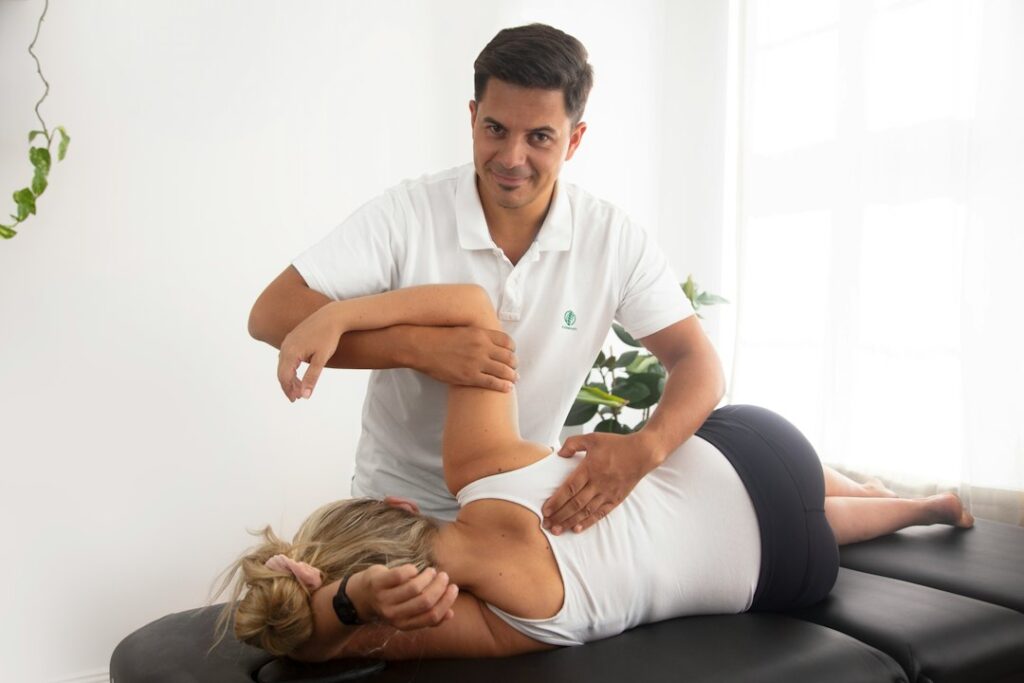
What role can chiropractic care play after a sports injury?
In Le Ray, NY, sports injuries can happen during organized competition, recreational exercise, strength training, running, cycling, or outdoor activities. Chiropractic care may help some people manage pain, restore movement, and gradually return to activity, particularly when an injury involves the muscles, joints, or spine.
It should be viewed as one part of injury management rather than a replacement for medical evaluation, imaging, surgery, or structured rehabilitation when those services are needed. The most appropriate care depends on the type of injury, its severity, and the person’s health history.
Which sports injuries may respond to chiropractic treatment?
Chiropractic care is generally directed toward musculoskeletal problems rather than internal injuries or emergencies. Examples may include:
- Low-back pain after lifting, twisting, jumping, or repetitive training
- Neck and upper-back stiffness after contact sports or falls
- Joint-restriction symptoms involving the spine, hips, shoulders, or extremities
- Muscle strains and movement-related soreness
- Some overuse problems involving altered movement patterns
- Reduced mobility after an injury has begun to settle
A chiropractor may use a combination of joint mobilization, spinal manipulation, soft-tissue techniques, stretching, strengthening exercises, balance work, and education about activity modification. Treatment should be adjusted to the injury rather than applied as a standard routine.
Evidence is strongest for some forms of back and neck pain. Research does not show that spinal manipulation is a universal treatment for every sports injury, and it should not be assumed to repair a torn ligament, heal a fracture, or replace rehabilitation after major trauma.
How might treatment support recovery?
The main goals are usually to reduce symptoms, improve comfortable movement, and help the body tolerate a gradual return to normal activity.
For example, an athlete with back pain may have difficulty rotating, bending, or sitting after practice. Treatment may focus on restoring mobility while introducing controlled exercises that build strength and confidence. Someone with stiffness after a period of reduced activity may benefit from gentle movement and a plan for progressing exercise without repeatedly aggravating the area.
Chiropractic care may also help identify contributing factors such as:
- Limited hip or ankle mobility
- Weakness in the trunk or supporting muscles
- Poor lifting or landing mechanics
- Sudden increases in training volume
- Inadequate recovery between sessions
- Repetitive work, household, or athletic positions
These factors do not necessarily cause an injury by themselves, but they can influence how the body handles physical demand.
Does an adjustment heal a sports injury?
No. An adjustment does not directly knit a fractured bone, reconnect a torn tendon, or replace healing time.
Spinal manipulation is a controlled movement applied to a joint. It may help certain people with pain or restricted motion, but its benefits are usually related to symptom management and function. Recovery from a sports injury also depends on sleep, nutrition, progressive loading, strength, coordination, and avoiding repeated aggravation.
A person with a significant ankle sprain, for example, may need protection from further injury, gradual weight-bearing, mobility exercises, balance training, and strengthening. Manipulating the spine alone would not address all of those needs.
When should an injury be medically evaluated first?
Some symptoms require prompt medical assessment before any manual treatment is considered. These include:
- Obvious deformity or suspected fracture
- Inability to bear weight after a fall or collision
- Severe swelling, rapidly worsening pain, or major bruising
- Numbness, progressive weakness, or loss of coordination
- Loss of bladder or bowel control with back pain
- Chest pain, shortness of breath, or fainting
- A head injury followed by confusion, repeated vomiting, worsening headache, or unusual drowsiness
- Neck pain accompanied by neurological symptoms

A suspected concussion deserves particular caution. Athletes should not return to play simply because pain has improved. Concussion decisions should follow an appropriate evaluation and a gradual return-to-activity process.
Recent surgery, osteoporosis, blood-clotting problems, infection, cancer, or the use of blood-thinning medication may also affect whether certain techniques are appropriate.
What happens during an evaluation?
A careful evaluation should begin with questions about how the injury occurred, when symptoms started, what movements make them worse, and whether symptoms are changing. The examination may include movement testing, strength checks, reflexes, sensation, balance, and assessment of nearby joints.
The purpose is not only to locate a painful area. Pain can be felt in one region while the contributing limitation is elsewhere. For instance, hip or ankle stiffness may change how a person runs, lands, or squats, placing additional stress on the back or knee.
Imaging is not necessary for every strain or episode of uncomplicated back pain. It becomes more relevant when there is significant trauma, suspected fracture, persistent unexplained symptoms, neurological change, or concern about a condition that requires different treatment.
Are chiropractic adjustments safe after a sports injury?
Many people experience temporary soreness, stiffness, or a short-term increase in discomfort after spinal manipulation or mobilization. These effects commonly resolve within a day. Serious complications are rare, but risk is not zero.
Neck manipulation deserves particular caution because sudden neck movement has been associated with rare reports of cervical artery injury. The relationship between manipulation and these events remains debated, but anyone with unusual neck pain, severe headache, dizziness, vision changes, weakness, or speech difficulty should seek urgent medical care rather than receiving treatment.
A thorough health history helps identify situations in which gentler techniques, exercise-based care, referral, or no manual treatment would be safer.
How does local activity affect sports injury recovery?
Seasonal conditions can influence training and injury risk. In a community with cold winters, snow, ice, and reduced daylight may lead people to shift from outdoor running or field sports to indoor exercise, home workouts, or less familiar activities. A sudden change in surface, footwear, equipment, or training volume can increase soreness.
Spring and summer often bring a rapid return to cycling, running, recreational games, yard work, and outdoor conditioning. Problems may arise when activity resumes at the previous level without rebuilding strength and endurance. A gradual progression is usually more practical than trying to regain lost fitness in a few sessions.
Household responsibilities also matter. Shoveling, carrying equipment, lifting children, and working in awkward positions can continue to stress an injured area even while formal training is paused.
What does a sensible return to sport look like?
Return should be based on function rather than the calendar alone. Before resuming full participation, a person should generally be able to perform sport-specific movements with manageable symptoms and without worsening pain afterward.
A gradual progression may move from:
1. Comfortable daily movement
2. Light cardiovascular activity
3. Basic strength and mobility exercises
4. Controlled drills or modified practice
5. Full-speed practice
6. Competition or unrestricted activity
Pain that steadily increases, swelling that returns, or declining strength suggests that the workload may be advancing too quickly. Chiropractic treatment may support this process, but lasting recovery usually depends on active rehabilitation and sensible training adjustments.
