
 See Our Latest Article on HelloNation
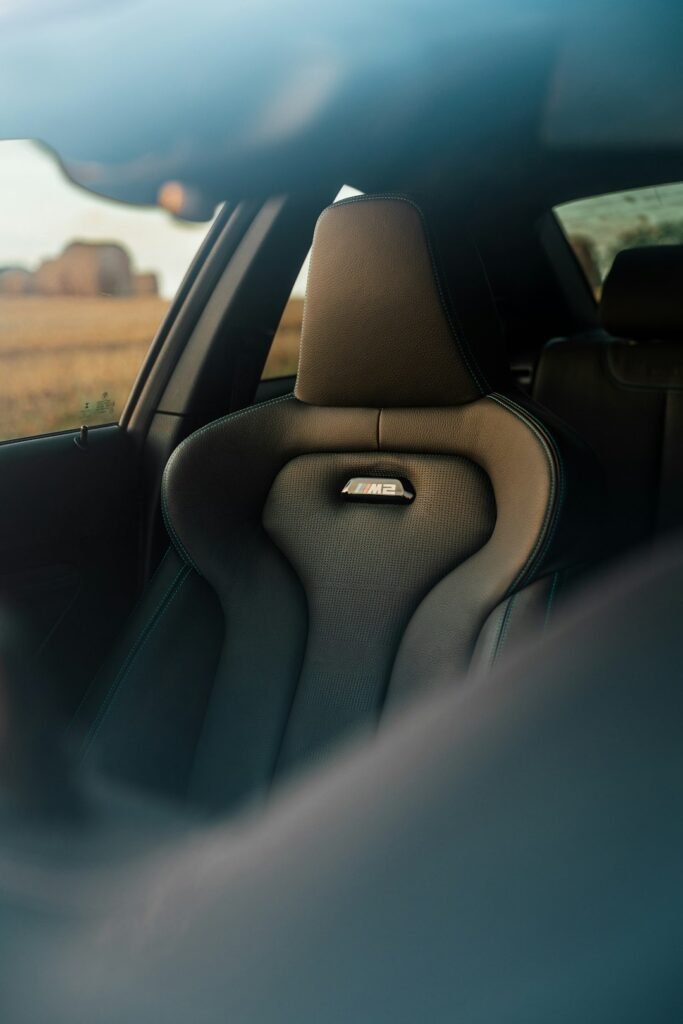
Travel can put unusual stress on the lower back through prolonged sitting, awkward lifting, poor sleep, and sudden changes in activity. For residents of Le Ray, NY, a trip may involve long drives, winter weather, airport transfers, or carrying supplies through unfamiliar spaces. A few practical adjustments can reduce stiffness and help prevent a minor strain from becoming a disruptive problem.
Why does travel trigger lower back pain?
Travel-related back pain usually comes from a combination of inactivity and awkward movement rather than from one single position. Sitting for hours can make the hips and lower back feel stiff, while cramped legroom may encourage slouching or twisting. Getting out of a car or airplane after prolonged sitting can then place a sudden demand on muscles that have been inactive.
Luggage is another common source of trouble. A suitcase may be heavier than expected, handles may require bending or reaching, and lifting often happens while the body is rotated. Repeatedly loading bags into a vehicle can be especially stressful because the lift is performed in a confined space.
Fatigue also matters. Late departures, disrupted sleep, slippery surfaces, and rushing through terminals or parking areas can affect balance and movement control.
How should a traveler sit during a long car ride?
The most useful goal is a supported, changeable position rather than trying to hold one rigid posture for hours. Adjust the seat so the knees are level with or slightly lower than the hips, and keep the back supported without leaning too far away from the steering wheel.
Helpful adjustments include:
- Keep the seat close enough that the elbows remain slightly bent while driving.
- Use a small rolled towel or supportive cushion at the lower back if the seat leaves a gap.
- Avoid keeping a wallet, phone, or bulky object in a back pocket.
- Keep both feet positioned comfortably rather than reaching forward with one leg.
- Change position periodically instead of waiting until pain becomes intense.
During longer drives, plan regular stops to stand, walk briefly, and gently move the hips and legs. The purpose is not an intense stretching session. A few minutes of easy movement can help reduce stiffness and make the next portion of the trip more comfortable.
In colder months, allow extra time for vehicle entry and exit. Ice, snow, and bulky winter clothing can make twisting or slipping more likely. Use handrails where available and avoid carrying several bags while stepping across uneven or slick ground.
What is the safest way to lift and move luggage?
Luggage is safest to handle when the load is kept close to the body and moved without twisting. Before lifting, face the suitcase directly, bend through the hips and knees, tighten the abdomen gently, and rise with the legs. Turn by moving the feet instead of rotating the torso while holding the bag.
Avoid jerking a heavy bag from the floor, reaching across the trunk of a vehicle, or lifting a suitcase overhead when the shoulders and back are already fatigued. If a bag feels too heavy to control smoothly, divide the contents or use a smaller load.
Wheeled luggage can reduce carrying, but pulling a bag behind the body for a long distance may cause repeated twisting. When possible, use a handle length that allows the bag to roll beside the body with the shoulder relaxed. Switch hands occasionally if one side begins to feel strained.
Backpacks also need attention. Keep both shoulder straps on, place heavier items close to the back, and avoid carrying more than can be managed without leaning forward. A bag that pulls the body backward or causes one shoulder to drop is probably overloaded or poorly arranged.
How often should travelers move during a trip?
Movement breaks are more helpful than waiting for discomfort to appear. On a road trip, stop at reasonable intervals for a short walk. On a plane, train, or bus, perform gentle ankle movements, shift position, and stand when it is safe and practical.
Simple seated movements may include:
- Alternating ankle pumps to keep the lower legs active.
- Straightening one knee at a time without forcing the motion.
- Gently tightening and relaxing the abdominal muscles.
- Rolling the shoulders and changing hand position.
- Taking several slow breaths while allowing the ribs and abdomen to move naturally.

Do not force a deep forward bend or aggressive spinal twist, especially if the back already feels irritated. Movement should feel easy and controlled, not sharp, electric, or worsening.
Long periods of immobility also affect circulation. Travelers with medical risk factors for blood clots should ask a qualified medical provider about individualized precautions before extended trips. Sudden chest pain, trouble breathing, or one-sided leg swelling requires urgent medical attention.
What should travelers do before leaving?
Preparation can reduce the need for awkward movements once the trip begins. Pack lighter bags, place frequently used items where they are easy to reach, and avoid filling luggage to its maximum capacity. If a vehicle has a high cargo area, consider organizing bags so the heaviest items are not positioned at shoulder height.
A brief pre-travel routine may include easy walking and comfortable mobility exercises already familiar to the traveler. This is not the time to begin a demanding exercise program or attempt unfamiliar stretches. A gradual increase in walking over the days before a trip may be more useful than one strenuous workout the night before departure.
Sleep is part of back preparation. A tired traveler may lift carelessly, lose balance, or remain in one position longer than intended. If a trip includes overnight lodging, choose sleeping arrangements that allow comfortable movement and avoid sleeping in a cramped seated position when another option is available.
People with a history of recurrent back pain may also want to keep prescribed medicines, supportive items, and essential personal supplies accessible rather than buried under luggage. Medication choices should follow existing medical advice, particularly for anyone with kidney disease, stomach ulcers, blood-thinning medication use, pregnancy, or other health conditions.
Is a travel pillow or back brace necessary?
A small lumbar cushion can be useful if it improves comfort and allows a more natural seated position. It should not force the lower back into an exaggerated arch or make it difficult to change position. A pillow that is too thick may create new pressure rather than relieve it.
Back braces are not automatically protective for routine travel. Some people find temporary support comfortable, but relying on a brace for every trip may encourage stiffness or give a false sense of security during lifting. The safer strategy is still to reduce the load, use sound lifting mechanics, and take movement breaks.
Comfort items should support movement rather than replace it. No cushion can fully compensate for hours of uninterrupted sitting or repeated awkward lifting.
When is travel-related back pain a reason to seek medical care?
Mild soreness that improves with gentle activity is often different from symptoms that suggest a more serious problem. Medical evaluation is warranted for pain that is severe, rapidly worsening, follows a significant fall or collision, or prevents normal walking and daily activities.
Urgent care is needed for lower back pain accompanied by new loss of bladder or bowel control, numbness around the inner thighs or groin, significant leg weakness, or progressive loss of sensation. Fever, unexplained weight loss, a history of cancer, or pain that is constant and not affected by movement also deserves prompt medical attention.
For most travelers, the practical priorities are straightforward: pack less, lift without twisting, support the lower back, move regularly, and allow extra time during winter conditions. These habits can make long-distance travel more manageable while reducing avoidable strain on the muscles and joints of the lower back.
