
 See Our Latest Article on HelloNation
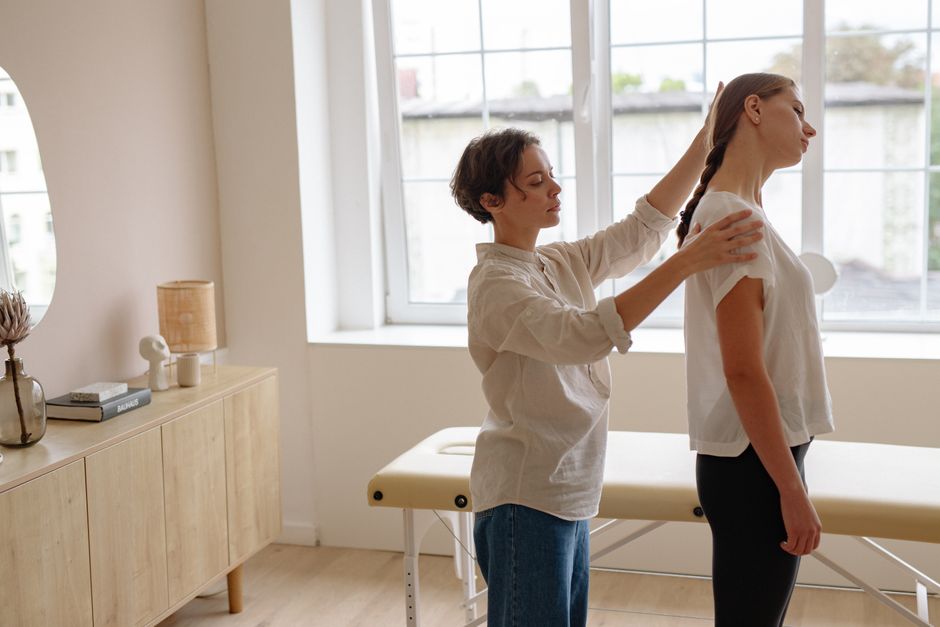
Poor posture does more than make someone look uncomfortable. Over time, sustained slouching, forward-head positioning, or uneven weight distribution can increase strain on the muscles, joints, nerves, and breathing system. For residents of Le Ray, everyday habits involving work, driving, phones, household tasks, and seasonal outdoor activities can all affect how the body is held and used.
What does poor posture do to the body?
Poor posture changes how the body distributes weight and movement. Muscles may need to work harder to keep the head, spine, pelvis, or shoulders supported. Some areas become overworked while others become less active, creating stiffness, fatigue, and reduced movement efficiency.
Common examples include:
- Holding the head forward while looking at a phone or computer
- Rounding the shoulders for long periods
- Sitting with the pelvis tucked under and the lower back collapsed
- Standing with most weight shifted onto one leg
- Carrying bags, tools, or children repeatedly on the same side
- Sleeping in a position that leaves the neck twisted or unsupported
Posture is not a fixed position that must be maintained perfectly. Healthy posture involves the ability to change positions comfortably and move through a variety of positions without persistent pain.
Can poor posture cause neck and back pain?
Yes. Poor posture can contribute to neck and back discomfort by placing extra stress on muscles, ligaments, discs, and joints. The neck may become strained when the head remains forward for long periods, while the lower back may become uncomfortable when sitting or standing positions are held without movement.
Posture is not always the only cause of pain. Injuries, arthritis, nerve irritation, physical workload, sleep habits, stress, and other health conditions can also play a role. Still, posture-related strain often becomes more noticeable after long periods of sitting, driving, screen use, or repetitive work.
Neck-related symptoms may include:
- Aching or tightness across the neck and shoulders
- Headaches that begin near the base of the skull
- Reduced ability to turn the head
- Burning or fatigue between the shoulder blades
Back-related symptoms can include stiffness after sitting, discomfort while standing, or soreness that increases during repeated bending and lifting.
How can posture affect breathing and energy?
A rounded upper back and collapsed chest position may limit how freely the ribs and diaphragm move. This does not usually prevent normal breathing in a healthy person, but it can encourage shallow breathing and make deep breaths feel less comfortable.
Poor posture can also make ordinary activities feel more tiring. Muscles that are working continuously to stabilize the body may fatigue sooner than they would during a balanced position. Some people notice this as heaviness in the shoulders, low-back fatigue, or the need to change position frequently.
This can matter during long winter indoor periods, extended computer use, or days spent driving and doing household tasks. Regular movement is generally more helpful than trying to hold a rigid “perfect” posture.
Can poor posture cause headaches?
Posture may contribute to some tension-type headaches, particularly when the neck and upper shoulder muscles remain tense for extended periods. Forward-head positioning can increase the workload of the muscles that support the head, which may produce pain around the neck, temples, forehead, or back of the skull.
However, not every headache is posture-related. Sudden severe headaches, headaches following a head injury, headaches accompanied by weakness or confusion, or headaches with vision or speech changes require prompt medical evaluation.
For ordinary posture-related tension, useful adjustments may include raising a screen, relaxing the shoulders, supporting the forearms, and taking regular movement breaks.
Does posture affect balance and walking?
It can. The position of the head, spine, pelvis, and feet influences how weight moves through the body. Leaning consistently to one side or standing with uneven weight distribution may cause certain muscles to compensate during walking, stairs, or lifting.
Poor alignment does not automatically mean that a person is at risk of falling. Balance is influenced by vision, inner-ear function, leg strength, reaction time, footwear, medications, and neurological health. Still, persistent postural asymmetry, new unsteadiness, or repeated falls should not be dismissed as a simple posture problem.
What daily habits improve posture?
The most useful approach is to reduce long periods in one position and make the working environment easier on the body.
Helpful habits include:
- Change position every 30 to 60 minutes when sitting or working.
- Keep frequently used screens close to eye level.
- Let the shoulders rest rather than pulling them forcefully backward.
- Keep both feet supported when seated.
- Use a chair that allows the hips and knees to remain comfortably supported.
- Carry loads close to the body and switch sides when practical.
- Bend through the hips and knees for heavier objects instead of repeatedly rounding the lower back.
- Walk, stretch gently, or perform light mobility exercises throughout the day.
- Avoid holding a phone between the shoulder and ear.
For people working outdoors or maintaining homes during snowy or icy seasons, posture also matters during shoveling, carrying, and repeated lifting. Shorter work periods, alternating sides, and avoiding twisting while lifting can reduce strain.
Is sitting always bad for posture?
No. Sitting itself is not harmful for everyone. The greater concern is prolonged, unsupported, or repetitive sitting without opportunities to move. A person may sit with a relatively comfortable alignment but still become stiff after remaining still for several hours.
A practical seated position usually allows the feet to rest on the floor, the pelvis to feel supported, the screen to be near eye level, and the elbows to remain close to the body. Small adjustments are often more sustainable than attempting to hold a strict posture throughout the day.
When should posture-related symptoms be evaluated?
Persistent or worsening symptoms deserve attention, especially when they interfere with sleep, work, walking, or normal household activities. Medical evaluation is particularly important for pain accompanied by:
- Numbness, tingling, or weakness in an arm or leg
- Loss of bladder or bowel control
- Fever or unexplained weight loss
- Severe pain after a fall or collision
- New difficulty walking or maintaining balance
- Chest pain, shortness of breath, or fainting
A health professional can help determine whether symptoms are related to posture or to another condition. Chiropractic care, physical therapy, medical care, or a combination of approaches may be considered depending on the findings and the person’s health history.
Posture is best understood as a movement habit rather than a test that someone passes or fails. More frequent position changes, sensible workspace adjustments, balanced lifting, and regular physical activity can help reduce unnecessary strain and make everyday movement more comfortable.
