
 See Our Latest Article on HelloNation
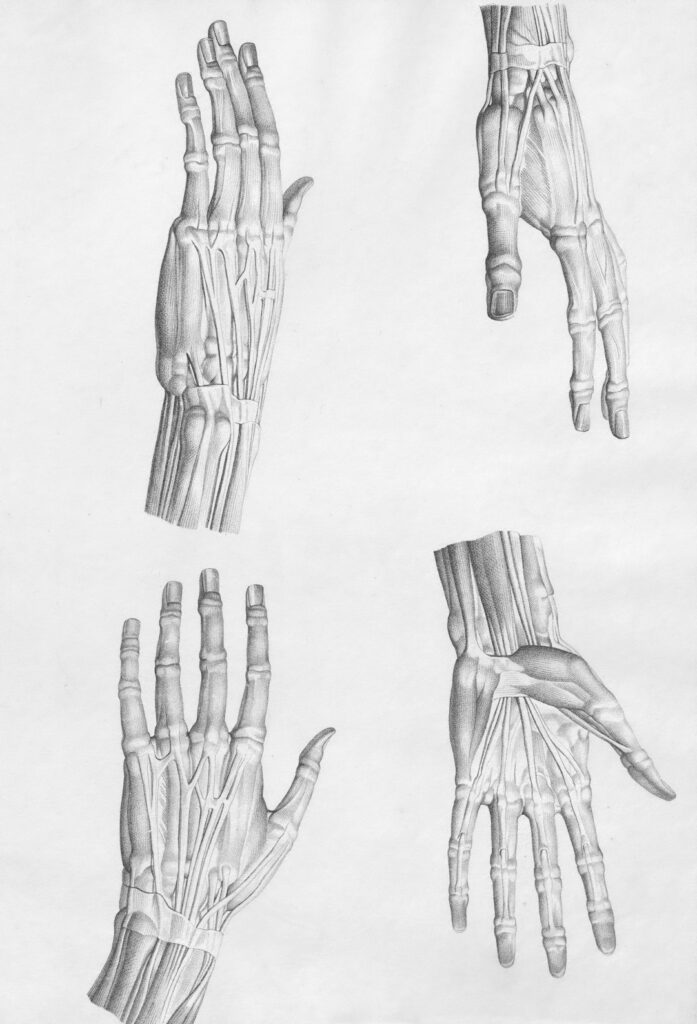
Is cracking a joint usually harmful?
Usually, painless joint cracking is not a sign of damage. Fingers, knees, ankles, shoulders, backs, and necks can all make popping, snapping, clicking, or grinding sounds during ordinary movement.
The sound itself is less important than what accompanies it. A joint that cracks without pain, swelling, weakness, loss of motion, or recent injury is generally less concerning than one that becomes noisy and painful at the same time.
The medical term for joint noise is often *crepitus*. Crepitus can describe a harmless pop, a tendon snapping over bone, or a rougher grinding sensation associated with changes inside a joint.
What actually causes the popping sound?
Several normal processes can create joint noises.
Gas movement in joint fluid is one common explanation. Movable joints contain synovial fluid, which helps reduce friction. The fluid also contains dissolved gases. When joint pressure changes, a small gas-filled space may form or shift, producing a pop. This is common when stretching the fingers or moving the spine.
Tendons and ligaments can also move with a snap. A tendon may shift slightly as a joint changes position, then return to place. This can happen around the ankle, knee, hip, shoulder, or wrist. The sensation may feel like something is moving over a bump.
Tight muscles and connective tissue may contribute. After sitting for a long period, working at a computer, driving, shoveling, or doing repetitive household tasks, a person may notice more clicking or stiffness. In a community where winter weather can lead to less outdoor activity and more time indoors, joints may feel particularly stiff after long periods in one position.
Surface changes inside a joint can cause grinding. Roughness may develop after an injury, with osteoarthritis, or as part of normal aging. Grinding that is persistent, painful, or associated with swelling deserves more attention than an occasional painless pop.
Does cracking knuckles cause arthritis?
Available evidence does not show that ordinary knuckle cracking causes arthritis. The familiar warning that cracking the fingers will “wear out” the joints is not supported by medical evidence.
Knuckle cracking may temporarily make the fingers feel looser or more mobile. The sound generally reflects pressure changes and gas movement in the joint rather than bones rubbing together.
That does not mean every type of forceful cracking is harmless. Repeatedly pulling, twisting, or bending a joint aggressively can irritate soft tissues. If cracking is accompanied by pain, swelling, reduced grip, numbness, or weakness, the symptom should not be dismissed simply because the sound is familiar.
Why does cracking sometimes feel relieving?
A crack may briefly reduce the sensation of pressure or stiffness. Moving a joint also changes the position of surrounding tendons, muscles, and connective tissue. That can create a temporary feeling of increased motion.
The relief does not necessarily mean that a joint was “out of place” or that it needed to be put back into alignment. Often, the movement simply changed tension in the area for a short time.
If a person feels compelled to crack the same joint repeatedly throughout the day, the more useful question is why it feels stiff or uncomfortable in the first place. Long periods of sitting, repetitive work, poor sleep, muscle fatigue, prior injuries, and limited movement can all contribute.
Is neck cracking different from cracking fingers?
The general sound may have a similar explanation, but the neck deserves extra caution because it contains the spinal cord, nerves, blood vessels, and many sensitive muscles and ligaments.
Occasional, gentle neck movement that produces a painless pop is not automatically dangerous. Forceful or repeated self-manipulation is a different matter. Aggressive twisting can strain muscles or ligaments, and rare but serious blood-vessel injuries have been reported after sudden neck movements.
Avoid forceful neck cracking, especially if it causes pain, dizziness, nausea, visual changes, numbness, weakness, severe headache, or unusual balance problems. These symptoms require prompt medical evaluation rather than additional stretching or manipulation.
A chiropractic adjustment is also not the same as casually cracking a joint. Any hands-on treatment involving the neck should begin with a clear discussion of health history, symptoms, risks, and alternatives. People with recent trauma, blood-clotting concerns, significant neurological symptoms, or certain vascular conditions may need special medical guidance before neck manipulation is considered.
When is joint cracking a warning sign?
Joint noise should be evaluated more carefully when it occurs with any of the following:
- Pain that persists or worsens
- Swelling, warmth, redness, or visible enlargement
- Locking, catching, or a feeling that the joint may give way
- Loss of strength or range of motion
- Numbness, tingling, or weakness in an arm or leg
- A pop that occurred during a fall, collision, lifting injury, or sports accident
- Inability to bear weight or use the joint normally
- Fever or feeling generally ill along with a hot, swollen joint

A loud pop at the moment of an injury can sometimes involve a ligament, tendon, cartilage, or bone. The sound alone cannot identify the problem, but the timing and symptoms provide useful clues.
Sudden neurological symptoms after neck movement—such as facial drooping, trouble speaking, severe imbalance, or weakness on one side—require emergency attention.
What can help reduce stiffness and unnecessary cracking?
The safest approach is usually regular, comfortable movement rather than repeatedly forcing a joint to pop.
Helpful habits include:
- Change position every 30 to 60 minutes during desk work, driving, or household tasks.
- Use gentle range-of-motion movements rather than fast, forceful twisting.
- Build strength gradually around commonly stiff areas such as the hips, knees, shoulders, and back.
- Warm up before shoveling, yard work, lifting, or recreational activity.
- Pay attention to footwear, walking surfaces, and body position during repetitive tasks.
- Avoid making a joint crack when pain is present.
- Track patterns: time of day, activity, weather, swelling, and whether symptoms follow an old injury.
Cold temperatures do not directly damage a healthy joint, but they can make muscles feel tighter and may encourage people to remain still. During cold months, brief indoor walking, gentle mobility exercises, and regular position changes may help reduce stiffness.
What should Le Ray residents remember?
For most people, painless cracking is simply a normal body sound. It does not automatically mean arthritis, misalignment, or progressive damage.
The practical rule is simple: noise without symptoms is usually less concerning; noise with pain, swelling, weakness, injury, or loss of function deserves attention. The pattern over time matters more than how loud the pop sounds.
